
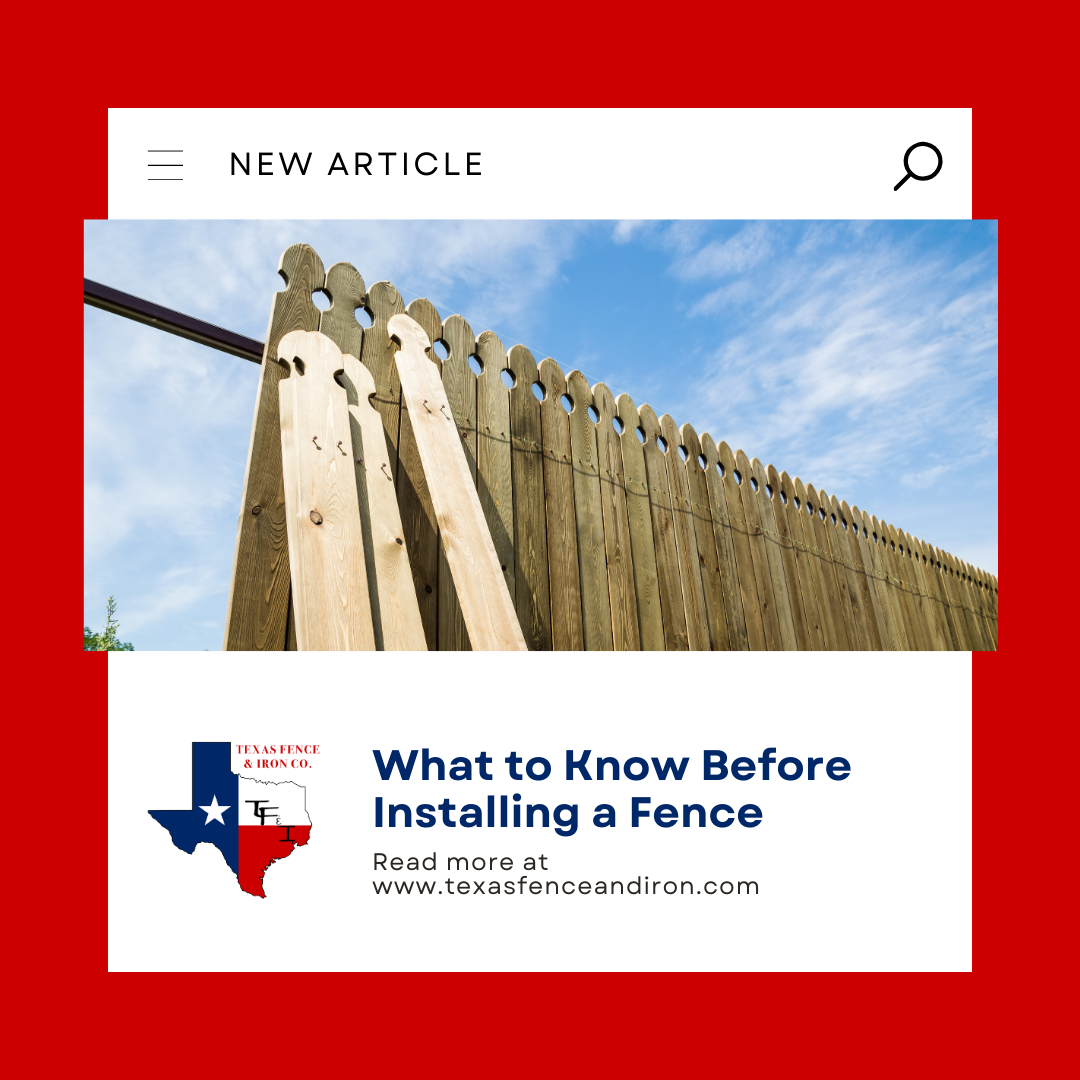
What to Know Before Installing a Fence
Installing a fence is a long-term investment in your property’s function, security, and appearance. While it may seem like a straightforward project, the decisions made before installation play a major role in how well a fence performs and how long it lasts. If you’re preparing for installing a fence, understanding the key considerations ahead of time helps ensure the project is planned clearly and executed correctly.
Defining the Purpose of Your Fence
Before installing a fence, it’s important to identify what the fence is meant to accomplish. Some fences are built primarily for privacy, while others focus on security, pet containment, or defining property boundaries. The purpose directly affects design choices such as height, spacing, and material type. Clarifying this early creates a clear direction for the project and helps avoid changes once installation is underway.
Evaluating Property Layout and Placement
Property conditions play a major role when installing a fence. Yard slope, drainage patterns, soil composition, and existing landscaping all influence how posts are set and how the fence aligns over time. Accurate property lines are also essential to prevent future disputes or rework. Proper planning at this stage allows potential challenges to be addressed before installation begins, supporting a cleaner layout and a more stable final structure.
Choosing Materials That Perform Long-Term
Material selection is one of the most important decisions when installing a fence. Wood offers a classic appearance and flexibility in design, but requires maintenance to protect against moisture and sun exposure. Metal options such as steel, wrought iron, or aluminum provide durability and strength, with different maintenance needs depending on the material. In Texas, materials must withstand heat, humidity, and sudden weather changes, making durability a key factor in long-term performance.
Understanding Local Requirements and Guidelines
Before installing a fence, local regulations should always be reviewed. City codes, neighborhood guidelines, and homeowner’s associations may restrict fence height, placement, or approved materials. Addressing these requirements early prevents delays, unexpected adjustments, or compliance issues once installation has started. This step ensures the project moves forward smoothly from planning to completion.
The Importance of Proper Installation
Even the best materials depend on correct installation to perform as intended. Proper post depth, spacing, and alignment are critical for stability and resistance to shifting, wind, and ground movement. When installing a fence, attention to these details helps prevent common issues such as leaning, sagging, or premature wear. A well-installed fence is more likely to maintain its structure and appearance over time.
Installing a fence involves more than choosing a style—it requires thoughtful planning, informed decisions, and precise execution. By understanding these considerations before installing a fence, homeowners set their projects up for long-term success and reliable performance.
If you’re considering installing a fence, Texas Fence & Iron is here to help guide the process from planning through installation. Our team is committed to building fences that are designed with care and built to last.
Add Comment